
Both accountancy and auditing are analytical in nature and are performed to make the most of the financial records. We understand the unique financial challenges faced by marketing firms, advertising agencies, and digital studios, and we’re here to help you achieve clarity, compliance, and growth. This individual usually holds an accounting degree and is registered as a certified public accountant (CPA).
Creating Financial Statements

They work together to ensure data accuracy, support compliance, and guide long-term decision-making. Integrating financial statement preparation, analysis, and compliance ensures better financial health and operational efficiency for businesses. Accountants play what is the difference between bookkeeping and accounting a vital role in the financial management of a business, providing insights and guidance that help businesses navigate complex financial landscapes. Start a free trial of Xero accounting software and see how the right tools can support both your bookkeeping and accounting needs. Add an accountant when you need strategic advice and complex financial analysis.
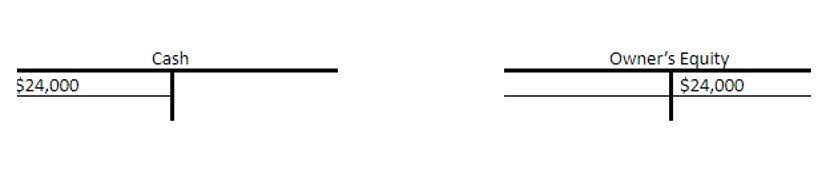
Nominal Accounts
Unlike accountants, bookkeepers are not required to have a bachelor’s degree. They may take some finance-related classes at the college level, but even this is not a requirement. The American Institute of Professional Bookkeepers offers a Certified Bookkeeper designation, which can set professional bookkeepers apart from others. At its core, bookkeeping follows the accounting cycle—starting with recording every transaction in ledgers. Modern bookkeeping tools simplify this process by automating invoice tracking, expense categorization, and financial reporting. The choice between focusing predominantly on bookkeeping or accounting hinges on your specific business needs and growth stage.
Key Features Of Bookkeeping
- By interpreting and analyzing these numbers, accountants can give you insights and make recommendations for future decisions.
- While we strive to offer accurate and up-to-date content, it should not be considered legal advice.
- From ensuring tax returns are filed correctly to forecasting cash flow accurately, there are many reasons to maintain healthy bookkeeping and accounting practices for your small business.
- Instead, they ensure that the data needed for informed decisions is readily available.
- Accounting helps businesses make informed decisions, stay compliant with tax laws, and plan for future growth.
- Whether it’s calculating invoices or balancing financial reports, precision with numbers is at the heart of both roles.
Business owners will often look to accountants for help with strategic tax planning, analysing their financial position, forecasting, and tax filing. At Accounting Complete, we offer bookkeeping and accounting services tailored to your business. Whether you need accurate financial records or expert financial advice, our team is here to help. We stay current on the latest financial regulations, technological advancements, and industry-specific needs to ensure that your business remains financially strong and compliant.
Final Thoughts: Making the Right Financial Choice for Your Business
Bureau of Labor Statistics, the median annual wage for bookkeepers is $47,440. In contrast, accountants have a higher earning potential, with a median annual wage of $79,880.Salaries can vary. Factors that can influence someone’s salary include education level, certifications, years of experience, and geographic location. Even though a lot of entrepreneurs and business owners use the terms “bookkeeping” and “accounting” interchangeably, gross vs net the two indicate two different types of services. For any business owner, it’s important to know the difference so that they know exactly what to buy, whether it be a service provided by a professional, an office, an online service, or a software. A bookkeeper’s job is to maintain a complete record of a business’ financial affairs; of the money moving in and out of that company.

Bookkeeping Training vs. Accounting Degrees: Key Differences and Career Insights
This operational flow highlights that while bookkeeping comes first chronologically, both functions https://www.bookstime.com/ are integral to comprehensive financial management. They interpret financial data to provide strategic advice, helping businesses make informed decisions that can affect growth, investment, and operational efficiency. A bookkeeper and an accountant have distinct roles, with bookkeepers handling transaction recording and accountants performing analysis and strategic planning. However, bookkeepers can become accountants if they gain additional experience, education, or certifications. For example, if you run a retail store, a bookkeeper logs every sale and expense processed through your cash register. Bookkeeping and accounting serve distinct yet complementary roles in financial management.
What Career Options Are Available With Bookkeeping Training?
You understand where your money is going, which areas are profitable, and how to plan for growth. And when your accountant receives accurate, well-organized records, they can work efficiently, reduce costly mistakes, and help you avoid unnecessary tax issues. Most bookkeeping firms would simply record transactions and reconcile your bank statements. You’d know what you owe, but not why your numbers look the way they do—or how to improve them. Accountancy starts where bookkeeping ends while auditing is performed after accountancy is complete. Both of them are similar in a way that they both have to rely on the records as maintained by the bookkeeping.